What Affects a Forestry Mulching Estimate
Home › Blog › What Affects a Forestry Mulching Estimate
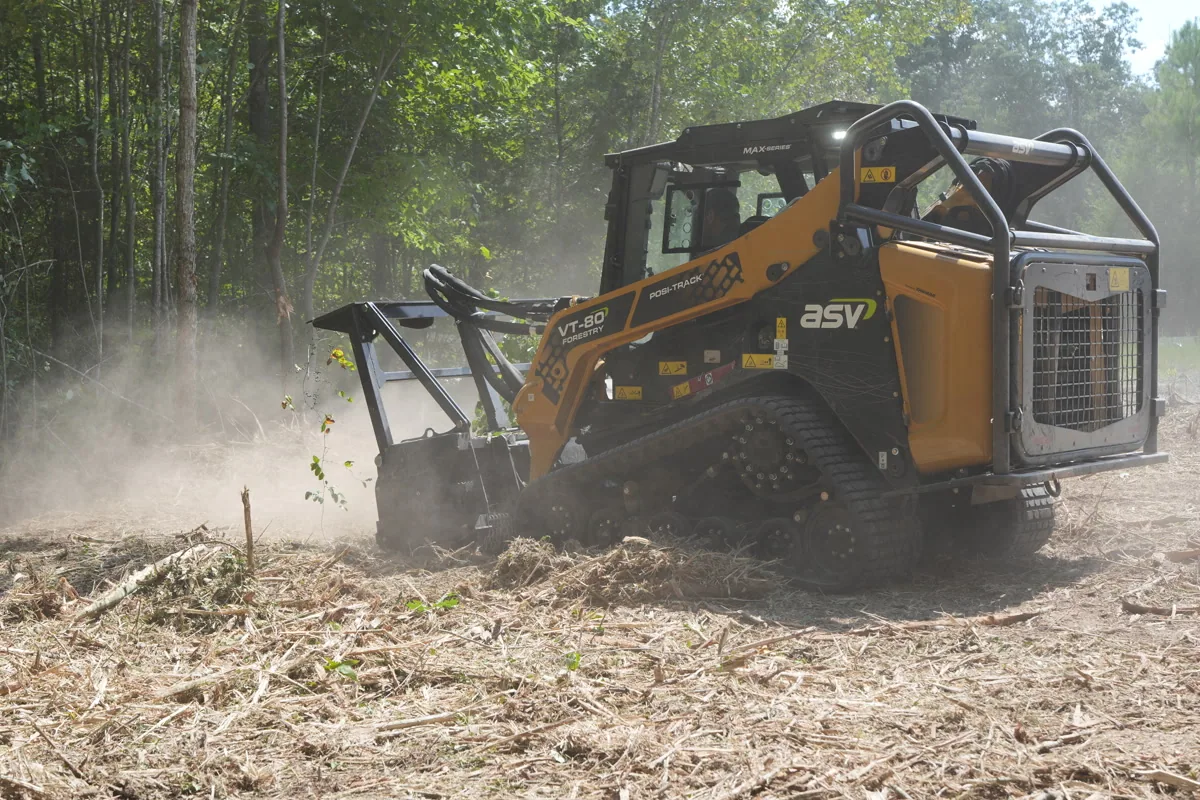
Acreage is only one part of the project. Access, vegetation, terrain, protected features, material handling, and the requested finish all matter.
Start with the actual property
We review the work area before confirming an estimate. The first conversation should cover the property location, approximate area, vegetation, site access, terrain, protected features, material that may need grapple handling, and the result you want. Those conditions create a more useful project plan than a universal online acreage number.
A written estimate should identify the work boundary, included tasks, exclusions, owner preparation, and expected finish. It should also explain how hidden debris or conditions discovered after work begins will be handled. That gives both sides the same working definition of completion.
Why acreage alone does not set production
Two properties with the same acreage can require very different time. One may have light brush and open access. Another may have dense growth, hidden debris, steep or soft ground, narrow gates, or many features that must be protected. The area shown on a map is only one part of the estimate. Production also depends on what the vegetation is, how tightly it grows, how the crew reaches the work, and what the owner expects when the pass is complete.
A per-acre number can create the wrong expectation when those conditions are unknown. Clear Path currently avoids presenting an acreage rate as if it were universal. Instead, the walkthrough should define a practical work area and project plan. If the property is larger than the agreed block can reasonably address, the estimate can prioritize the most important section or describe how additional time will be approved.
Access and protected features matter
Getting to the property is only the first access question. The crew still needs a usable route from the entrance to the work area. Gates, overhead conflicts, soft ground, slopes, tight turns, nearby buildings, fences, drainage features, and landscaping can slow or limit access. Owners should disclose private utilities, septic components, irrigation, and other features that may not be visible. Property boundaries and retained trees should be marked before work begins.
These details are not paperwork for its own sake. They affect how safely and efficiently we can move through the site. A clear route and well-marked boundary reduce stopping, uncertainty, and the risk of working beyond the agreed area. If part of the property cannot be reached under current conditions, that limitation should appear in the project plan rather than becoming an argument after work begins.
Different services need separate descriptions
Forestry mulching, land clearing, and grapple work are related, but they are not interchangeable. Mulching processes suitable vegetation in place. Grapple work moves or consolidates suitable logs, limbs, rocks, or other material. Land-clearing requests may also include work Clear Path does not advertise, such as conventional grubbing, grading, excavation, hauling, or construction preparation.
The estimate should say which tasks are included in the accepted estimate. If grapple handling is needed after mulching, define the material and placement area. If material must leave the property, discuss hauling and disposal rather than assuming it comes with on-site movement. If another contractor will grade or build later, identify the handoff condition. A clear project plan prevents the work from being stretched by tasks neither side priced.
How to get a useful estimate
Prepare five pieces of information before calling: the property location, approximate work area, current vegetation, site access, and intended result. Add photos when possible. Mention steep ground, soft areas, gates, overhead obstacles, buildings, fencing, utilities, septic components, drainage features, or material that may need grapple handling. Then walk the proposed area with us and mark what should stay.
Ask the estimate to identify the project plan, site access, work boundary, vegetation or material included, expected finish, exclusions, and owner preparation. Confirm how unexpected conditions or additional time will be approved. The website's published figures make the first conversation easier, but the accepted estimate is the actual project agreement. Call (629) 219-5178 to begin with the property facts rather than an online guess.
Ready to make your property easier to use and maintain?
Tell us where the property is, what the area looks like now, and what you want to accomplish. We’ll help you determine the best next step and build a clear scope for the work.
Request an Estimate